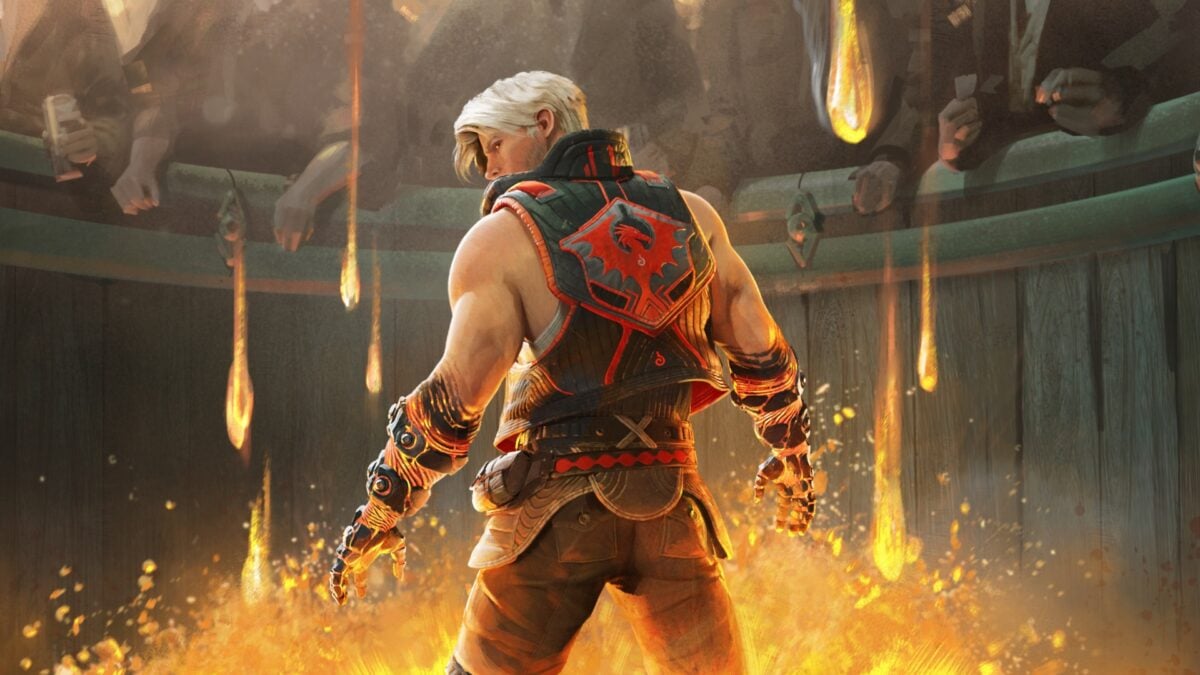
Highguard's Demise: Why Its Free-to-Play Model Couldn't Sustain It
The gaming world recently witnessed another high-profile live-service title crumble, leaving behind a trail of disappointed players and unanswered questions about the sustainability of modern game development. Highguard, a free-to-play competitive shooter from Wildlight Entertainment, shut down permanently on March 12, just 45 days after its ambitious launch. Despite attracting over 2 million players initially, the game failed to build a lasting community or, crucially, a viable financial ecosystem. This premature end serves as a stark reminder of the immense challenges inherent in the free-to-play model, particularly when it comes to securing Highguard finanzierung (financing) for long-term operations.
In an industry increasingly dominated by live-service games, the tale of Highguard offers a critical case study in what can go wrong when high hopes meet harsh realities. From its reveal at The Game Awards 2025 to its rapid descent into closure, the game's journey underscores the intricate link between player engagement, monetization strategies, and the fundamental financial health required to keep a free game alive.
The Double-Edged Sword of Free-to-Play: Highguard's Initial Ambition
Highguard burst onto the scene with significant pedigree, developed by ex-Titanfall and Apex Legends talent. Its reveal at The Game Awards 2025 positioned it as a major contender, promising a fresh take on the 3v3 competitive shooter genre. The choice of a free-to-play (F2P) model was, on the surface, a strategic move designed to maximize player acquisition. By removing the initial purchase barrier, Wildlight Entertainment aimed for a broad audience, hoping to convert a percentage of free players into paying customers through in-game purchases like cosmetics, battle passes, and other microtransactions. This approach is central to any F2P title's Highguard finanzierung strategy.
Indeed, the strategy seemed to work initially, with Wildlight reporting over 2 million players stepping into Highguard’s world shortly after its January 26 launch on Xbox, PlayStation, and PC. This initial surge is often seen as a triumph for F2P games, demonstrating market interest and potential. However, the true test of an F2P model isn't just getting players in the door; it's keeping them there and converting that engagement into sustainable revenue. For Highguard, this is where the cracks began to show almost immediately.
While a free entry point lowers commitment for players, it simultaneously places immense pressure on developers to consistently deliver compelling content and a flawless experience to justify monetization. The initial development costs for a game of Highguard's scope—including salaries for experienced developers, marketing, and server infrastructure—are substantial, and these upfront investments are only recouped if players remain engaged and spend money over time. Without strong initial retention and conversion, the financial runway for such projects can quickly shorten, as proved to be the case for Wildlight.
Rapid Decline: Why Players Couldn't Be Retained
Despite the initial player count, the buzz around Highguard quickly soured. The reference material highlights a "generic art style" and a "multiplayer focus" that failed to resonate with fans online, leading to immediate "toxic to super-duper toxic" discourse. This perception of mediocrity, coupled with a lack of unique selling points (USPs), proved fatal. Players, accustomed to a rich marketplace of F2P options, had little incentive to stick with a game they found underwhelming.
The impact on Highguard finanzierung was immediate and severe. A competitive F2P shooter relies on a vibrant, active player base not only for matchmaking but also for its economic engine. When players "quickly fell off," as the context describes, the pool of potential spenders evaporated. SteamDB charts, showing a cratering player count, would have painted a bleak picture for investors and the development team alike. Wildlight's attempts to course-correct—adding a 5v5 mode, introducing a new raiding mode, a new Warden, and weapons—were too little, too late. The community had already moved on.
This rapid loss of player engagement directly translates to a lack of revenue. Without a consistent influx of new players and, more importantly, a loyal core who spend money, the game's operational costs (server maintenance, ongoing development, customer support) quickly outpaced any income. This unsustainable dynamic is precisely what led to layoffs at Wildlight Entertainment not long after launch, a clear indicator of severe financial distress. Wildlight's Highguard: The Cost of an Unsustainable Player Base was simply too high for the revenue it generated.
The Financial Avalanche: Unpacking Highguard's Unsustainable Funding Model
The story of Highguard's shutdown is fundamentally a story of financial collapse. Developing a modern, high-fidelity competitive shooter requires significant capital investment, often in the tens of millions of dollars. These funds typically come from venture capitalists, publishers, or internal studio reserves, all of whom expect a return on investment. For an F2P title, that return hinges entirely on building a large, engaged, and monetized player base.
When Highguard's player retention plummeted, its conversion rates—the percentage of free players who make purchases—would have followed suit. This meant that the crucial revenue streams needed to cover server costs, pay developers, and fund future content updates simply weren't materializing. The blog post announcing the game's demise highlighted this directly, stating that "despite the passion and hard work," the game was "unable to build a sustainable player base to support it long term." This is the core issue of Highguard finanzierung – it lacked a sustainable financial model.
Consider the typical lifespan and revenue generation of successful live-service games. Titles like Apex Legends (from which Highguard's devs partially originated) have consistent updates, battle passes, and cosmetic sales that generate billions over years. Highguard, lasting only 45 days, had virtually no time to establish any of these revenue streams meaningfully. The decision to shut down was likely a painful but necessary financial one, cutting losses before they escalated further. In comparison to other live-service flops like Concord, which lasted a mere 14 days, Highguard's 45-day run still highlights the brutal economic pressures in this sector. For a deeper dive, consider Highguard Shutdown: Unpacking the Financial Collapse of a Live Service.
Lessons from the Ashes: What Highguard's Failure Teaches Us About F2P Finanzierung
Highguard's rapid rise and fall offer invaluable lessons for developers, publishers, and investors considering the F2P live-service model:
- Uniqueness is Paramount: In a saturated market, a "generic art style" and gameplay simply won't cut it. F2P games need a strong, compelling unique selling proposition (USP) to stand out and justify player time investment.
- Retention Over Acquisition: While free-to-play excels at acquiring players, the focus must immediately shift to retention. Initial hype is fleeting; long-term engagement is the bedrock of F2P Highguard finanzierung. Developers need robust post-launch content plans, community engagement, and rapid response to feedback.
- Sustainable Monetization: The monetization strategy must be well-thought-out, ethical, and integrated into the game's core loop without feeling predatory. Players are more likely to spend money on a game they genuinely enjoy and feel valued by.
- Community Management is Key: Toxic discourse can quickly erode a player base. Proactive and positive community engagement, transparency, and responsiveness are crucial for fostering a loyal following that will ultimately support the game financially.
- Beware of Overhype: While Game Awards exposure is tempting, launching prematurely or without sufficient polish to meet heightened expectations can backfire severely. A "shadow drop" approach, as originally considered by Wildlight, might have allowed for a more organic growth and feedback loop without the immediate pressure of intense scrutiny.
Ultimately, the financial viability of any free-to-play game hinges on its ability to cultivate and maintain a passionate community willing to invest time and money. Without that, even the most promising titles, backed by seasoned developers, face an uphill battle against the relentless operational costs and investor expectations that define the live-service landscape.
Highguard's story is a poignant reminder that in the volatile world of live-service games, simply being free is not enough. A robust, engaging experience and a dedicated player base are the true currencies that drive sustainable Highguard finanzierung and ensure longevity. Its swift demise stands as a cautionary tale, underscoring the delicate balance required to turn initial enthusiasm into lasting success and financial stability in the competitive free-to-play market.