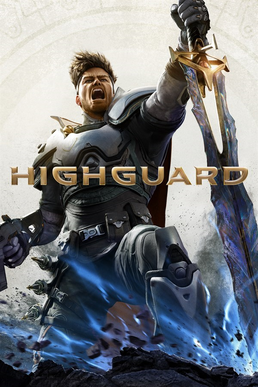
Wildlight's Highguard: The Cost of an Unsustainable Player Base
The gaming industry is no stranger to ambitious projects, but few stories encapsulate the volatile nature of live-service development quite like Wildlight Entertainment's Highguard. Launched with fanfare and the pedigree of former Titanfall and Apex Legends developers, this free-to-play competitive shooter was poised to make a splash. Instead, it made a ripple before vanishing, permanently shutting down on March 12, 2026—a mere 45 days after its January 26 launch. The official reason? An inability to build a "sustainable player base." While this might sound like a purely player-centric issue, the truth is far more complex, deeply intertwined with the financial viability of the game. The rapid demise of Highguard offers a stark lesson in the critical link between player engagement and a game's very survival, particularly concerning its financial collapse and the sustainability of its free-to-play model.
The Brief Ascent and Swift Fall of Highguard
Highguard debuted at the prestigious 2025 Game Awards, touted as a high-octane 3v3 shooter that would shake up the competitive landscape. With a team boasting veterans from beloved FPS franchises, expectations were understandably high. However, from its very revelation, a critical undercurrent of doubt began to form. Online discourse quickly turned "toxic to super-duper toxic," with fans criticizing the game's "generic art style" and multiplayer-only focus. This initial reception proved to be a harbinger of things to come.
Despite attracting over 2 million players at launch on Xbox, PlayStation, and PC, the enthusiasm was fleeting. Player counts on platforms like SteamDB cratered almost immediately. Wildlight Entertainment, in a desperate attempt to salvage their project, rushed out updates: a 5v5 mode, a new raiding-focused mode, and promises of new Wardens, weapons, and progression systems. These efforts, however, felt reactive rather than strategic, failing to reignite interest. The studio, which had initially planned a stealth launch akin to Apex Legends, instead found itself in a public spotlight it couldn't escape, grappling with a rapidly shrinking community and an increasingly dire outlook.
On March 3, Wildlight announced the inevitable: a final update, then the servers would go dark on March 12. The studio expressed gratitude for the passion and hard work, acknowledging that "despite the passion and hard work" of those involved, the game could not build a "sustainable player base to support it long term." This statement underscores a harsh reality: in the free-to-play market, player count isn't just a metric of popularity; it's the lifeblood of its entire financial ecosystem.
Beyond Player Count: The Financial Calculus of "Free-to-Play"
The term "sustainable player base" is intrinsically linked to the financial health, or Highguard Finanzierung, of a free-to-play game. While F2P games remove the upfront cost barrier for players, they operate on a model where a small percentage of players convert into paying customers through in-game purchases, battle passes, or cosmetic items. This conversion rate, coupled with the average revenue per paying user (ARPPU), dictates the game's profitability.
For Highguard, the initial wave of 2 million players was impressive, but a quick drop-off meant the pool of potential paying customers shrank dramatically. Without consistent engagement, players don't invest their time or money. High development costs, especially with experienced developers on board, demand significant and sustained revenue streams to break even, let alone turn a profit. Wildlight's talent roster meant a higher burn rate—the speed at which a company spends its capital—from day one. Each new update, each server minute, each marketing push represented an outflow of capital that was not being sufficiently offset by incoming revenue.
The cycle is vicious: low player retention leads to insufficient monetization. Insufficient monetization means less budget for new content, marketing, or even server maintenance, which further exacerbates player dissatisfaction and retention issues. The layoffs that occurred "not long after launch" speak volumes about the immediate financial distress the company faced. This is the stark reality of Highguard finanzierung: if the game can't convince enough players to stay and spend, its financial model collapses. The promised "final update" adding content, while a gesture to remaining fans, also represented a final, unrecoupable investment into a dying project.
- Development Costs vs. Revenue Streams: High-profile talent demands high salaries. This initial investment requires substantial and continuous revenue from sources like battle passes, premium cosmetics, or season passes, none of which can thrive without a dedicated, active community.
- The Importance of Player Retention: A game isn't just funded by its peak player count but by its *retained* player base. These are the players most likely to invest emotionally and financially over time.
- Operational Costs: Running live servers, continuous development of new content, customer support, and marketing are all significant ongoing expenses. Without revenue to cover these, the financial runway shortens dramatically.
Lessons from Wildlight: What Highguard's Demise Teaches Developers
The tragic story of Highguard offers crucial insights for developers navigating the perilous waters of live-service games:
- First Impressions are Everything: The "toxic" discourse around Highguard from its Game Awards reveal set a negative tone that was hard to overcome. Aesthetic choices, core gameplay loops, and clear value propositions need to be meticulously crafted and tested to resonate positively from the outset. Early negative sentiment can poison the well for potential future players and investors, directly impacting initial highguard finanzierung.
- Clarity of Vision & Execution: Wildlight's rapid introduction of new modes (5v5, raiding) post-launch suggests a reactive approach, perhaps indicating a lack of clear direction or confidence in the original design. A strong, cohesive vision is vital to keep players engaged and prevent the perception of a game constantly searching for its identity.
- Community Engagement vs. Silence: The studio's "radio silent" period in the weeks following the initial negative reception likely exacerbated the problem. Transparent communication, acknowledging feedback (even negative), and outlining a clear roadmap can build trust and prevent player base erosion.
- Sustainable Monetization Design: For a free-to-play game, the monetization strategy must be fair, appealing, and integrated seamlessly into the gameplay experience without feeling exploitative. It needs to provide value for money and incentivize long-term engagement, not just quick, one-off purchases.
- Resource Management: Even with a talented team, launching a game that doesn't quickly find its footing places immense financial pressure. Understanding the burn rate, having contingency plans, and making difficult decisions swiftly are crucial to prevent a complete collapse.
The Broader Landscape: Live Service Challenges and Future Trends
Highguard is not an isolated incident. Its short lifespan places it alongside other live-service "flops" like Concord, which reportedly lasted a mere 14 days. These failures highlight the immense challenges of the live-service model, which demands continuous content updates, flawless execution, and an incredibly sticky gameplay loop to retain players in an oversaturated market. Players have high expectations for free-to-play titles, often comparing them to established giants that have years of content and community building under their belts.
The industry is learning hard lessons: simply having a great development team isn't enough. A compelling, unique identity, robust community management, a well-thought-out monetization strategy, and an ability to adapt without losing core vision are paramount. The days of launching an unfinished product and "fixing it later" with the expectation of infinite player patience are largely over. The financial sustainability, or Highguard finanzierung, of any such project depends entirely on this delicate balance.
From all of us at Wildlight, thank you for playing, for supporting us, and for being part of Highguard’s story." This final message on Twitter serves as a poignant reminder of the human element behind game development—the passion, effort, and ultimately, the heartbreak when a vision cannot find a sustainable audience. Highguard may be gone, but its brief, tumultuous journey offers invaluable lessons for developers, publishers, and players alike about the true cost of an unsustainable player base in the modern gaming landscape.